Fred Barnes
Breakfast at Tiffany'sFred Barnes is Holly Golightly’s older brother, a figure known largely through other people’s memories and the few details Holly shares. His devotion to horses, his gentle and unhurried manner, and his eventual death in military service make him both a link to the home Holly left and the absent person whose loss brings her grief into the open.
Identity and Background
Holly recalls Fred as already six feet two when she left home at fourteen, while her other brothers were smaller. She attributes his height to his appetite for peanut butter: everyone thought his constant eating strange, but he cared about little besides horses and peanut butter. She describes him as sweet, vague, and terribly slow, adding that he had spent three years in eighth grade when she ran away. Her affectionate recollection combines teasing particulars with tenderness; she wonders whether the Army gives him enough peanut butter, then turns immediately to her hunger.
The family portrait shown by Doc Golightly to the narrator supplies a childhood image of Fred. In the photograph, he is a tow-headed, exceptionally thin boy standing among the children gathered on the porch of the family’s wooden house. The narrator recognizes him from Doc’s identification and sees, in the same photograph, an early resemblance between the plump little girl beside Doc and the adult Holly.
Family History and Separation
Fred remains at home after Holly leaves. Doc recalls that Fred stayed with the family until he was taken into the Army and says he was good with horses. In Doc’s account, Fred did not understand why Holly had left her brother, husband, and children. That difference in perspective matters: Fred is remembered as attached to the family household, while Holly’s departure had become a lasting rupture that Doc still hoped to reverse.
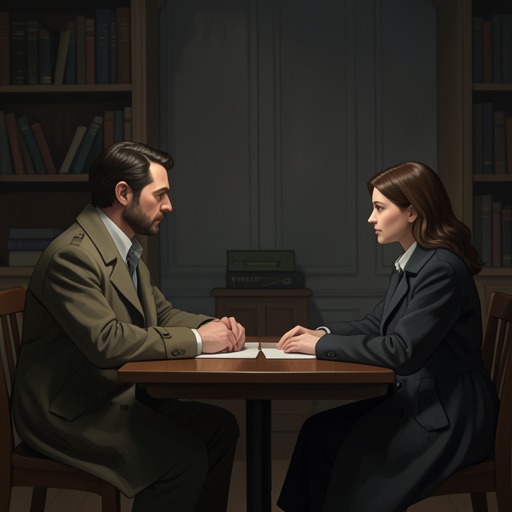
After Fred entered military service, he began hearing from Holly. Shortly before visiting New York, he wrote Doc Holly’s address. Doc takes this as a sign that Holly is sorry and wants to return, although the narrator warns him that she may have changed. Fred’s letter therefore brings Doc to the city and makes him the indirect cause of the siblings’ and family’s past entering Holly’s present. The available account does not show Fred and Holly meeting again; instead, his role in reconnecting them is mediated through the address he sends their father.
Character and Relationships
Holly’s memories make Fred an intimate family presence despite his absence from the narrated action. Her account of his school years and peanut-butter habit is comic, but the concern beneath it is plain: she wonders whether he is cared for in the Army. She also tells the narrator that he resembles Fred, “Only smaller,” and says she will help him partly for that reason. Fred thus shapes a new bond in Holly’s life: her recognition of her brother in the narrator becomes a reason to offer practical assistance.
That resemblance also enters the way Holly addresses the narrator. She calls him Fred, a name she continues using during the months when she withdraws after her brother’s death. After the telegram arrives, however, she never mentions her brother again and stops calling the narrator Fred. The change makes the nickname a small but legible measure of the loss: a form of closeness that had borrowed Fred’s name is no longer available to her in the same way.
Death and Holly’s Grief
Doc finds the telegram among the debris in Holly’s apartment. It comes from Tulip, Texas, and reports that Fred was killed in action overseas; it also expresses the family’s shared sorrow. Holly has not told the narrator about the news, and Doc’s explanation of the newspaper headline gives way to the telegram itself: a brief document that confirms the death and clarifies the cause of the destruction around them.
In the months that follow, Holly becomes markedly less social. Through June and July and across the warm months, she stays mostly in the apartment, entertains no one during José’s absences, and seldom goes out except for her Thursday trip to Ossining. Her hair darkens, she gains weight, and she becomes careless about her clothes. At the same time, the narrator says she seems more content and happier than before, and describes her sudden interest in homemaking: she acquires furnishings, books, records, museum reproductions, and kitchen equipment, then spends afternoons cooking. The account holds these changes together without reducing them to a single explanation: her ordinary routines contract, while domestic activity and apparent contentment grow.
Later, during her hospitalization after her arrest, Holly describes what happened when she learned of Fred’s death. She says that she began wondering where he had gone and what his death meant, then imagined a fat woman rocking Fred in her arms and laughing. She calls this figure the “fat mean red bitch” and identifies it with the “Mean Reds,” a sudden fear of what lies ahead. Holly connects that vision to her earlier breakdown and to the destruction of her belongings. Her account gives the loss a second, belated presence: Fred’s death is not only confirmed by Doc’s telegram but returns in the frightening image Holly recounts afterward.
Narrative Role and Significance
Fred is constructed through a chain of recollection, evidence, and aftermath rather than through direct appearance in the present action. Holly’s affectionate story establishes his distinct personality; Doc’s family photograph and his account of the letter connect him to Holly’s childhood and departure; the telegram confirms his death; and Holly’s later explanation reveals the emotional force of that news. Each piece revises the meaning of the preceding one, turning a brother first remembered through food and horses into the center of a family loss Holly had struggled to speak about.
His importance also lies in the contrast between the small, concrete details attached to him and the scale of what follows. Peanut butter, horses, an eighth-grade classroom, and a letter carrying an address make Fred vivid without giving him a speaking role. His death changes Holly’s behavior, interrupts her use of the narrator’s borrowed name, and becomes the source of the terrifying image through which she describes her grief. Fred remains absent, but that absence shapes the story’s account of Holly’s family ties and of how loss can persist beneath her guarded manner.